
Ephedrine Sopharma 50mg

- Marca: Sopharma
- Codice del prodotto: ephe_so
- Punti di ricompensa: 110
- Disponibilità: In magazzino
- Warehouse Europe 5
- $110,00
- Ex Tax: $110,00
- Prezzo nei punti di ricompensa: 1100
Tag: Ephedrine Sopharma 50mg, Trenbolone Hexahydrobenzylcarbonate
Ephedrine Sopharma 50mg
1. What Ephedrin Sopharma is and what it is used for
Ephedrin Sopharma solution for injection contains the active substance ephedrine hydrochloride, which constricts blood vessels and increases both blood pressure and heart rate. It is used to manage hypotension (low blood pressure) resulting from spinal or epidural anesthesia.
2. What you need to know before you use Ephedrin Sopharma
Do not use Ephedrin Sopharma:
if you are allergic to ephedrine or any of the other ingredients of this medicine (listed in section 6);
if you suffer from ischemic heart disease;
if you have high blood pressure (hypertension);
if you have thyrotoxicosis (overactive thyroid gland);
if you have hypertrophy (enlargement) of the prostate.
Warnings and precautions
Talk to your doctor, pharmacist, or nurse before using Ephedrin Sopharma.
The product should be used with caution in elderly patients.
In patients with renal impairment, it may cause constriction of blood vessels and a reduction in diuresis (urine output). The medicinal product should be used with extra caution in patients with kidney stone disease.
Ephedrin Sopharma has a stimulating effect on the central nervous system and may cause tremors (shaking). Ephedrine Sopharma can cause a sharp rise in blood pressure and carries a risk of cerebral hemorrhage.
In patients with angina (pain and tightness in the heart region), it may lead to a worsening of symptoms.
Inform your attending physician if you suffer from severe heart conditions—such as heart rhythm disorders, occlusive vascular diseases (including atherosclerosis—irregular fatty deposits in the blood vessels), aneurysms (dilation accompanied by a weakening of the blood vessel wall), or severe heart failure. If such patients are being treated with ephedrine, they must seek medical attention if they experience chest pain or other symptoms indicating a worsening of their heart condition.
If a patient undergoes general anesthesia using halothane or cyclopropane while simultaneously receiving ephedrine, there is an increased risk of adverse drug reactions (such as heart rhythm disturbances), as these agents increase the sensitivity of the heart muscle to ephedrine and similar medications.
This medicinal product should be used with caution in patients suffering from diabetes or angle-closure glaucoma (elevated intraocular pressure).
If the product is administered at short intervals, its effect diminishes rapidly (tachyphylaxis). Other medicines and Ephedrine Sopharma
Tell your doctor or pharmacist if you are taking, have recently taken, or might take any other medicines:
Ephedrine Sopharma should not be combined with other medicinal products with a similar action (phenylpropanolamine, pseudoephedrine, phenylephrine, methylphenidate) due to the risk of a sharp increase in blood pressure;
It should not be used concurrently with other products from this pharmacological group (adrenaline, noradrenaline, apraclonidine) due to the risk of an intensified effect and the occurrence of adverse drug reactions;
During general anesthesia with halothane or cyclopropane, the administration of Ephedrine Sopharma increases the risk of arrhythmias (disturbances in heart rhythm);
Ephedrine Sopharma should not be used concurrently with certain weight-loss products (sibutramine);
It reduces the effect of guanethidine (a medicine for high blood pressure);
Medicinal products known as alpha-adrenergic blockers (phentolamine) reduce the effect of ephedrine;
When used concurrently with reserpine, methyldopa (medicines for the treatment of high blood pressure), and diuretics ("water pills"), the effect of the product is reduced;
Propranolol (a medicine for the treatment of high blood pressure) may inhibit the cardiac and bronchodilatory (bronchus-widening) effects of ephedrine; The concurrent use of ephedrine with certain medications for the treatment of depression—such as tricyclic antidepressants (imipramine), venlafaxine, and milnacipran—is not recommended. Use with other antidepressants, specifically MAO inhibitors (moclobemide, toloxatone), requires increased caution and medical supervision.
Ephedrine antagonizes the effects of non-narcotic analgesics (pain relievers) and agents that depress the central nervous system.
The concurrent use of ephedrine is not recommended with corticosteroids (dexamethasone, methylprednisolone), antiepileptic drugs (phenytoin, phenobarbital, and primidone), digitalis glycosides (used for heart failure), theophyllines (for bronchial obstruction), atropine (used for a slow heart rate), or quinidine (for cardiac arrhythmias).
Concomitant use with oxytocin (used to induce or accelerate labor), doxapram (used to stimulate depressed respiration), or linezolid (used to treat infections) may lead to severe hypertension (high blood pressure).
3. How to use Ephedrine Sopharma
Ephedrine Sopharma solution for injection is intended for hospital use. It is administered intravenously, intramuscularly, or subcutaneously by qualified medical personnel, and only under the supervision of an anesthesiologist.
The dosage and duration of administration are determined by your attending physician.
If you have received more than the required dose of Ephedrine Sopharma
If you have been administered more than the required dose of Ephedrine Sopharma, you may experience: nausea, vomiting, chills, restlessness, irritability, seizures, dizziness, chest pain, rapid heart rate, visual disturbances, a sharp and significant rise in blood pressure followed by a drop, difficulty urinating, cyanosis (bluish discoloration of the skin and mucous membranes due to insufficient oxygen), breathing difficulties, or coma (loss of consciousness).
Treatment is carried out in a hospital setting by qualified medical personnel.
If you have any further questions regarding the use of this product, please ask your doctor, pharmacist, or nurse.
Prodotti correlati

ClenTREX 20mg 100 Tabs by Concentrex
$38,00 Ex Tax: $38,00

Clen di Ultima Pharmaceuticals
$41,00 Ex Tax: $41,00
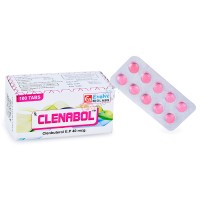
Clenabol 40 by Evolve Biolabs
$28,95 Ex Tax: $28,95