
mots-c-10mg-by-ozpharm
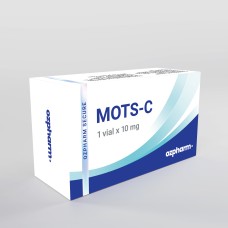
- Brand: Ozpharm
- Product Code: Ozph030
- Reward Points: 50
- Availability: In Stock
- Warehouse US Domestic 2
- $50.00
- Ex Tax: $50.00
- Price in reward points: 500
Tags: MOTS-C 10mg by Ozpharm, Ozph030, Anti-aging, Wound Healing
MOTS-C 10 mg – Ozpharm | Mitochondrial-Derived Research Peptide
Introduction
MOTS-C 10 mg, manufactured by Ozpharm, is a research peptide associated with the mitochondrial-derived peptide known as MOTS-c (Mitochondrial Open Reading Frame of the 12S rRNA Type-C).
MOTS-c is a naturally occurring 16-amino-acid peptide encoded by mitochondrial DNA and has attracted scientific interest because of its proposed role in metabolic regulation, cellular stress responses, glucose metabolism and mitochondrial function.
Preclinical research has investigated MOTS-c in areas including insulin sensitivity, metabolic homeostasis, exercise-related pathways and age-associated metabolic changes. However, its therapeutic effectiveness and long-term safety in humans have not yet been established.
A Phase 2a clinical study is currently investigating MOTS-c in adults with prediabetes and overweight or obesity, with insulin sensitivity and safety among the outcomes being evaluated.
Product Details
Product Name: MOTS-C 10 mg
Manufacturer: Ozpharm
Active Compound: MOTS-c
Strength: 10 mg
Peptide Type: Mitochondrial-derived peptide
Length: 16 amino acids
Research Target: Metabolic and mitochondrial signaling
Research Areas: Metabolic health, insulin sensitivity, cellular stress and mitochondrial function
Status: Investigational / research compound
Approved Medical Use: No established therapeutic indication
Benefits and Research Properties
The following are research areas and proposed biological effects, rather than proven medical benefits in humans.
Metabolic Research
MOTS-c has been investigated for its potential involvement in maintaining metabolic homeostasis. Experimental research has examined how MOTS-c may influence pathways involved in energy regulation and glucose metabolism.
Insulin Sensitivity Research
One of the major areas of interest surrounding MOTS-c is its potential relationship with insulin sensitivity.
Preclinical research has reported effects on glucose handling and insulin-related metabolic pathways. A current Phase 2a clinical trial is specifically evaluating whether MOTS-c can improve insulin sensitivity in adults with prediabetes and overweight or obesity.
AMPK Signaling Research
MOTS-c has been studied in relation to AMP-activated protein kinase (AMPK), an important cellular energy-sensing pathway.
Research suggests that MOTS-c may influence AMPK-related signaling, which has made the peptide a subject of interest in metabolic and exercise-related research.
Mitochondrial Function Research
Because MOTS-c originates from mitochondrial DNA, researchers are investigating its possible role in communication between mitochondria and the nucleus.
This research may help scientists better understand how cells respond to metabolic stress and changes in energy availability.
Exercise and Metabolic Adaptation Research
Preclinical studies have investigated MOTS-c in relation to exercise capacity, metabolic adaptation and cellular responses to physical stress.
These findings remain primarily experimental and should not be interpreted as proof that MOTS-c acts as an exercise-enhancing treatment in humans.
Aging and Cellular Stress Research
MOTS-c has also been investigated in relation to aging, cellular stress and metabolic changes associated with age.
These areas remain subjects of ongoing scientific research.
How Does MOTS-c Work?
MOTS-c is a mitochondrial-derived peptide encoded within the 12S rRNA region of mitochondrial DNA.
Research suggests that MOTS-c can participate in signaling between mitochondria and the nucleus and may influence metabolic pathways associated with cellular energy regulation.
One proposed mechanism involves modulation of the AMPK pathway, while other research has examined interactions with one-carbon metabolism and stress-response signaling.
The exact biological mechanisms and their relevance to therapeutic use in humans remain under investigation.
Common Research Combinations
There is no clinically established combination protocol for MOTS-c.
In experimental research, MOTS-c may be investigated alongside metabolic and mitochondrial pathways to better understand:
Glucose metabolism
Insulin signaling
AMPK activation
Mitochondrial function
Energy metabolism
Cellular stress responses
Metabolic adaptation
MOTS-c should not be presented as a clinically proven combination therapy with GLP-1 medications, insulin, metformin, anabolic steroids or other peptides.
Potential interactions with medications have not been adequately characterized in controlled human studies.
Cycle and Research Protocol
There is no established or medically validated MOTS-c cycle for general human use.
The 10 mg product strength indicates the amount of peptide contained in the product and does not establish a recommended human dose, treatment frequency or cycle.
Current clinical investigation is evaluating a defined MOTS-c regimen under controlled research conditions, including a 12-week treatment period and subsequent safety follow-up. This should not be interpreted as a recommended self-administration protocol.
Because human pharmacokinetic, efficacy and long-term safety data remain limited, a standardized self-directed MOTS-c cycle cannot be reliably established.
Possible Side Effects
The complete safety profile of administered MOTS-c in humans has not yet been established.
The FDA has specifically noted a lack of clinical and nonclinical safety information for MOTS-c-related drug substances and a lack of human data for MOTS-c drug products administered by any route.
Potential safety considerations include:
Unknown long-term effects
Unknown metabolic effects
Possible changes in glucose regulation
Potential interactions with metabolic medications
Possible injection-site reactions associated with injectable peptide administration
Unknown immunogenicity
Product purity or contamination concerns
Uncharacterized effects from prolonged exposure
These risks remain difficult to quantify because controlled human safety data are still developing.
MOTS-c and Weight-Loss Research
MOTS-c has attracted interest in metabolic research because preclinical studies have investigated its relationship with energy metabolism, glucose regulation, insulin sensitivity and obesity-related pathways.
However, MOTS-c should not be described as a proven weight-loss medication.
Animal and laboratory findings cannot establish that the same effects will occur in humans. Current clinical research is still evaluating whether MOTS-c has meaningful effects on insulin sensitivity and cardiometabolic markers.
MOTS-c and Exercise Research
Research has explored MOTS-c in relation to exercise adaptation, energy utilization and metabolic stress.
These findings have generated interest in MOTS-c as a potential research tool for understanding the relationship between mitochondrial signaling and physical performance.
However, there is currently insufficient clinical evidence to establish MOTS-c as an exercise-enhancing or performance-improving treatment.
Who Uses MOTS-c for Research?
MOTS-c may be of interest to researchers studying:
Mitochondrial biology
Cellular metabolism
Insulin sensitivity
Glucose metabolism
AMPK signaling
Metabolic disorders
Aging biology
Cellular stress responses
Exercise physiology
Mitochondrial-derived peptides
Metabolic signaling
Research compounds should be handled by appropriately qualified personnel under suitable laboratory procedures.
Storage Instructions
Storage requirements should follow the specific manufacturer's documentation for the Ozpharm MOTS-C 10 mg product.
General research-compound considerations include:
Follow the manufacturer's specified storage temperature.
Protect the peptide from excessive heat and moisture.
Protect from light when required.
Keep the container properly sealed.
Avoid contamination during handling.
Follow manufacturer instructions for any reconstituted preparation.
Do not use the product if the packaging or product integrity appears compromised.
Important Research Disclaimer
MOTS-C 10 mg is an investigational research peptide and is not an established or approved treatment for weight loss, diabetes, obesity, insulin resistance, aging, exercise performance or other medical conditions.
Current evidence is largely preclinical, while human clinical research is still ongoing. The FDA has noted significant gaps in human and nonclinical safety information for MOTS-c-related products.
The information provided above is intended for general scientific, educational and SEO purposes only and should not be interpreted as medical advice or a recommendation for self-administration.
Conclusion
MOTS-C 10 mg manufactured by Ozpharm is associated with MOTS-c, a 16-amino-acid mitochondrial-derived peptide that has become an important subject of metabolic and mitochondrial research.
Research has investigated MOTS-c in connection with metabolic homeostasis, insulin sensitivity, AMPK signaling, glucose metabolism, mitochondrial function, exercise adaptation and cellular stress responses.
Although preclinical findings are promising, human efficacy and long-term safety have not been established. A Phase 2a clinical study is currently evaluating MOTS-c for insulin sensitivity and metabolic outcomes in adults with prediabetes and overweight or obesity.
Related Products
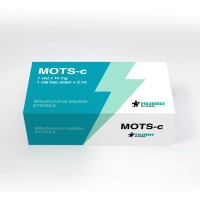
MOTS-c 10mg by HubioPharm
$84.00 Ex Tax: $84.00
MOTS-c 10 mg by Hilma Biocare
$98.00 Ex Tax: $98.00
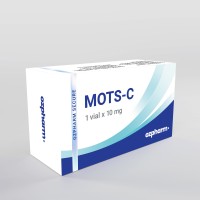
MOTS-C 10mg by Ozpharm
$50.00 Ex Tax: $50.00