
retatrutide-10mg-by-ozpharm
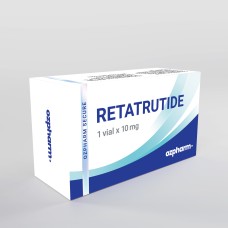

- Brand: Ozpharm
- Product Code: Ozph036
- Reward Points: 75
- Availability: In Stock
- Warehouse US Domestic 2
- $75.00
- Ex Tax: $75.00
- Price in reward points: 750
Tags: Retatrutide 10mg by Ozpharm, Ozph036, Peptides for Weight Loss
Retatrutide 10 mg by Ozpharm – GLP-1, GIP & Glucagon Research Peptide
Introduction
Retatrutide 10 mg by Ozpharm is a research-focused peptide product featuring retatrutide, an investigational triple hormone receptor agonist being studied for its effects on metabolic regulation, appetite, energy balance, glucose metabolism, and body composition.
Retatrutide is unique because it simultaneously activates three receptor pathways: GLP-1, GIP, and glucagon. This multi-receptor mechanism has made retatrutide an important subject of ongoing metabolic and obesity research.
Product Details
Product Name: Retatrutide
Strength: 10 mg
Manufacturer: Ozpharm
Research Classification: Investigational peptide
Receptor Activity: GLP-1, GIP, and glucagon receptors
Research Areas: Metabolic signaling, appetite regulation, energy balance, glucose metabolism, and body-composition research
Clinical Research: Retatrutide has been investigated as a once-weekly subcutaneous compound in controlled clinical trials.
Research Benefits and Properties
Retatrutide has attracted significant research interest because its triple-receptor activity may influence several interconnected metabolic pathways.
Key research areas include:
Appetite and satiety research – GLP-1 and GIP signaling are associated with pathways involved in appetite and food intake.
Metabolic regulation – Triple receptor activity is being investigated for its influence on glucose and energy metabolism.
Body-weight research – Clinical trials have evaluated substantial changes in body weight in investigational populations.
Energy-balance research – Glucagon receptor activity provides an additional metabolic pathway beyond traditional GLP-1-based compounds.
Glucose metabolism – Retatrutide is being studied in populations with obesity and type 2 diabetes.
Body-composition research – Clinical programs are evaluating changes in weight and related body-composition measures.
Cardiometabolic research – Researchers are also studying effects on various cardiometabolic markers.
These findings describe areas of scientific investigation and should not be interpreted as guaranteed results from an Ozpharm product.
How Does Retatrutide Work?
Retatrutide is an investigational GIP, GLP-1, and glucagon receptor agonist.
Its three receptor pathways are being investigated for their potential effects on:
Appetite and satiety
Glucose regulation
Energy expenditure
Metabolic signaling
Body-weight regulation
Lipid and cardiometabolic pathways
This mechanism distinguishes retatrutide from semaglutide, which primarily targets GLP-1 receptors, and tirzepatide, which targets GLP-1 and GIP receptors. Retatrutide adds glucagon receptor activity to the combination.
Potential Research Applications
Retatrutide is currently being investigated across multiple areas of metabolic research, including:
Obesity research
Body-weight regulation
Type 2 diabetes research
Appetite and satiety studies
Glucose metabolism
Energy expenditure
Body-composition research
Cardiometabolic research
Knee osteoarthritis-related research
Obstructive sleep apnea research
Metabolic dysfunction-associated steatotic liver disease research
Phase 3 research announced in 2026 has reported substantial reductions in body weight in several investigational populations. These clinical findings should not be interpreted as proof that an unapproved commercial product will provide the same outcomes.
Retatrutide Combinations
Because retatrutide already acts on three metabolic receptor pathways, combining it with other incretin-based or weight-management compounds requires particular caution.
Compounds that may be relevant for comparative research include:
Semaglutide – A GLP-1 receptor agonist used as a comparator in metabolic research.
Tirzepatide – A GIP/GLP-1 receptor agonist studied in comparative metabolic research.
Other investigational compounds – May be studied independently to compare receptor activity, metabolic signaling, and body-composition effects.
Retatrutide should not be presented as a routine stack with semaglutide, tirzepatide, or other GLP-1/GIP-related drugs. There is no established approved combination protocol for self-directed use.
Retatrutide Cycle and Research Protocol
There is no approved bodybuilding cycle or established consumer-use cycle for Retatrutide 10 mg by Ozpharm.
Clinical trials have used controlled dose-escalation protocols with participants monitored by medical research teams. These research protocols should not be converted into instructions for self-administration of an unapproved commercial product.
For research purposes, retatrutide should be investigated only within an appropriately designed and supervised research setting and according to the applicable study protocol and regulatory requirements.
Possible Side Effects
Clinical trials have reported gastrointestinal and other adverse effects associated with investigational retatrutide.
Potentially reported effects include:
Nausea
Vomiting
Diarrhea
Constipation
Gastrointestinal discomfort
Reduced appetite
Injection-site reactions
Dysesthesia or altered sensations
Reported hypotension
In Phase 3 research, gastrointestinal adverse events, dysesthesia, injection-site reactions, and reported hypotension were among the adverse events of interest.
Because retatrutide remains investigational, its complete long-term safety profile has not yet been established.
Important Safety Considerations
Retatrutide should not be represented as an FDA-approved medication or established treatment.
The FDA has specifically raised concerns about unapproved retatrutide products marketed directly to consumers. The agency states that retatrutide cannot be used in compounding under federal law and is not a component of an FDA-approved drug.
Important considerations include:
Research status should be clearly disclosed.
Product identity, purity, potency, and sterility cannot automatically be assumed from online labeling.
Retatrutide should not be combined with other metabolic drugs without appropriate professional oversight.
Individuals with medical conditions should obtain appropriate medical advice.
Severe or unexpected adverse reactions require prompt medical evaluation.
Storage
Storage and handling should follow the manufacturer's current product documentation and label instructions.
Generic peptide-storage recommendations should not be substituted for manufacturer-specific stability and handling information when such information is available.
Retatrutide and Metabolic Research
Retatrutide has become an important research compound because it combines three hormone-receptor pathways within a single molecule.
Current clinical development is investigating its potential role in obesity, type 2 diabetes, metabolic health, body-weight regulation, and several obesity-related complications.
The triple-agonist mechanism is the primary scientific feature that differentiates retatrutide from many earlier incretin-based research compounds.
Why Is Retatrutide 10 mg Being Researched?
The combination of GLP-1, GIP, and glucagon receptor activity makes retatrutide particularly interesting for researchers studying:
Multi-pathway metabolic signaling
Appetite regulation
Energy expenditure
Glucose metabolism
Body-weight changes
Body-composition changes
Cardiometabolic markers
Clinical research has demonstrated substantial investigational effects on body weight and metabolic measures, helping establish retatrutide as an important compound in ongoing metabolic research.
Conclusion
Retatrutide 10 mg by Ozpharm can be described as an investigational research peptide associated with GLP-1, GIP, and glucagon receptor activity.
Its triple-agonist mechanism has generated significant interest in metabolic, obesity, glucose-regulation, appetite, energy-balance, and body-composition research.
However, retatrutide remains investigational and should not be marketed as an approved treatment or accompanied by unsupported human-use cycles or dosing claims.
Related Products
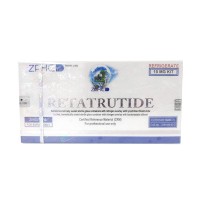
Retatrutide 10 mg (5 vials × 2 mg) by ZPHC
$143.00 Ex Tax: $143.00
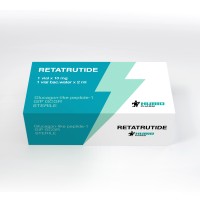
Retatrutide 10mg by HubioPharm
$100.00 Ex Tax: $100.00
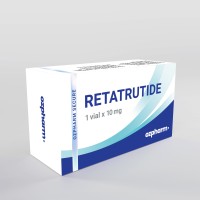
Retatrutide 10mg by Ozpharm
$75.00 Ex Tax: $75.00