
semax-5mg-by-ozpharm
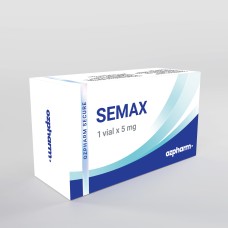
- Brand: Ozpharm
- Product Code: Ozph040
- Reward Points: 23
- Availability: In Stock
- Warehouse US Domestic 2
- $23.00
- Ex Tax: $23.00
- Price in reward points: 230
Tags: Semax 5mg by Ozpharm, Ozph040, Memory, Brain Health
Semax 5 mg by Ozpharm – Neuroprotective & Cognitive Research Peptide
Introduction
Semax 5 mg by Ozpharm is a synthetic heptapeptide derived from the ACTH(4-10) peptide sequence and has been investigated for its potential effects on neuroprotective mechanisms, cognitive function, stress response, and neurotrophic signaling. Semax research has focused particularly on cerebral ischemia, neurological recovery, cognitive processes, and brain signaling pathways.
Product Details
Product Name: Semax 5 mg
Manufacturer: Ozpharm
Active Compound: Semax
Peptide Class: Synthetic ACTH(4-10) analogue heptapeptide
Research Category: Neuroactive Research Peptide
Primary Research Areas: Cognitive function, neuroprotection, neurotrophic signaling, cerebral ischemia, neurological research
Strength: 5 mg
Intended Use: Research purposes only
Research Benefits and Properties
Semax has attracted scientific interest because of its potential activity across several neurological and neurotrophic pathways.
Research areas include:
Cognitive and memory research
Neuroprotective mechanisms
Neurotrophic signaling
Brain-derived neurotrophic factor (BDNF) research
Cerebral ischemia research
Neurological recovery research
Stress-response research
Neuroinflammation research
Neurotransmitter signaling
Brain function and neuroplasticity research
Preclinical research has investigated BDNF-related signaling and other neurotrophic mechanisms, while human studies have primarily examined neurological conditions such as ischemic stroke. However, the certainty of the overall clinical evidence remains low.
How Does Semax Work?
Semax is a synthetic heptapeptide associated with the ACTH(4-10) peptide sequence. Unlike full-length ACTH, Semax is studied for neuroactive properties rather than classical corticotropic activity.
Experimental research has investigated its potential influence on neurotrophic signaling, BDNF-related pathways, neurotransmitter systems, oxidative stress, and cellular responses associated with cerebral ischemia.
Research findings suggest that Semax may influence several pathways involved in neuronal adaptation and neuroprotection, although its complete mechanism of action has not been fully established.
Potential Research Applications
Semax 5 mg may be investigated in controlled research involving:
Cognitive function and memory
Neuroprotection
Cerebral ischemia models
Neurological recovery
Neurotrophic signaling
BDNF and TrkB-related research
Neuroplasticity
Stress-response mechanisms
Neuroinflammation
Neurotransmitter regulation
Brain injury research
Experimental neurological models
Research has historically examined Semax in stroke and other neurological settings, while smaller studies have explored cognitive and brain-function-related outcomes.
Semax Combinations
In experimental research, Semax may be evaluated alongside other compounds or research approaches to investigate interactions between neuroprotective, neurotrophic, and cognitive pathways.
Potential research combinations may include:
Neuroprotective research compounds
Neurotrophic signaling compounds
BDNF-related research compounds
Cognitive research compounds
Antioxidant research compounds
Other experimental neuroactive peptides
Neuroinflammation research compounds
Placebo-controlled research protocols
These are research concepts rather than recommendations for personal use. Combining experimental compounds may create unknown pharmacological interactions.
Semax Cycle and Research Protocol
There is no universally established consumer-use cycle for Semax 5 mg by Ozpharm. Published studies have used different experimental designs, populations, formulations, and administration protocols, meaning research findings should not be converted into a self-administration schedule.
For laboratory or clinical research, study duration, frequency, administration method, formulation, and monitoring should be determined by the applicable research protocol and qualified investigators. FDA's 2026 review also noted that human pharmacokinetic information for Semax was not identified and that available human safety evidence is limited.
Possible Side Effects
The long-term safety profile of Semax has not been adequately established. Available research has generally reported limited adverse events, but the available evidence is not sufficient to establish comprehensive long-term safety.
Potentially reported or investigated concerns include:
Nasal irritation with intranasal formulations
Headache
Temporary changes in alertness or neurological activity
Possible agitation or changes in mood
Local reactions depending on the formulation and administration method
Possible blood-pressure changes
Unknown long-term effects
Potential interactions with other neuroactive compounds
A 2026 FDA review identified limited human safety information and noted an individual adverse-event report involving ocular pain and burning following use of an online Semax nasal product.
Important Safety Considerations
Semax is an investigational neuroactive peptide in many jurisdictions and is not FDA-approved for any indication in the United States. Although Semax has a history of clinical use in Russia, this regulatory status does not establish the safety or effectiveness of Semax 5 mg by Ozpharm as a research product.
Research evidence is also limited by the predominance of Russian-language studies, small study populations, variable study designs, and limited independent replication outside Russia.
Storage
Store Semax 5 mg according to the manufacturer's specifications and applicable laboratory handling procedures. Protect the product from unsuitable temperatures, excessive moisture, direct light, and contamination. Always follow the product documentation and laboratory protocol for storage and handling requirements.
Semax and Neuroprotective Research
Semax has been investigated extensively in relation to neuroprotective and neurotrophic mechanisms.
Preclinical research has examined BDNF expression, TrkB-related signaling, cellular responses to ischemia, oxidative stress, and other mechanisms associated with neuronal adaptation. Human research has primarily focused on neurological conditions including ischemic stroke and cognitive impairment.
However, evidence for cognitive enhancement in healthy individuals remains particularly limited, with available studies not providing strong confirmation of improved cognition in healthy populations.
Why Is Semax 5 mg Being Researched?
Semax continues to attract scientific interest because of its potential activity across neuroprotective, neurotrophic, and cognitive pathways.
Researchers are particularly interested in:
Neuroprotective mechanisms
BDNF and neurotrophic signaling
Cerebral ischemia
Cognitive and memory pathways
Neuroplasticity
Stress-response mechanisms
Neuroinflammation
Neuronal adaptation
Brain injury and recovery
Interactions between neuroactive signaling pathways
The existing research provides a basis for continued investigation, but current evidence does not establish Semax 5 mg by Ozpharm as a proven cognitive or neuroprotective treatment.
Conclusion
Semax 5 mg by Ozpharm is a synthetic neuroactive research peptide investigated for its potential relationship with cognitive function, neuroprotection, neurotrophic signaling, cerebral ischemia, and neurological recovery. Preclinical research has explored BDNF-related and other neurotrophic mechanisms, while human research has primarily originated from Russian clinical studies.
Related Products
Semax 5mg by HubioPharm
$71.00 Ex Tax: $71.00
Semax 5mg by Ozpharm
$23.00 Ex Tax: $23.00