
bpc-157-5mg-by-ozpharm

- $33.00
- Ex Tax: $33.00
- Price in reward points: 330
Tags: BPC-157 5mg by Ozpharm, Ozph006, Anti-aging, Wound Healing
BPC-157 5 mg by Ozpharm – Tissue Repair & Regenerative Research Peptide
Introduction
BPC-157, also known as Body Protection Compound-157, is a synthetic pentadecapeptide that has attracted significant interest in regenerative medicine and biomedical research. Preclinical studies have investigated BPC-157 in relation to tissue repair, angiogenesis, inflammatory signaling, gastrointestinal protection, tendon and ligament research, muscle recovery, and cellular protection.
Product Details
Product Name: BPC-157 5 mg
Manufacturer: Ozpharm
Active Compound: BPC-157
Peptide Class: Synthetic pentadecapeptide
Research Category: Regenerative & Tissue Repair Research Peptide
Primary Research Areas: Tissue repair, angiogenesis, inflammation, gastrointestinal research, musculoskeletal research
Strength: 5 mg
Intended Use: Research purposes only
Research Benefits and Properties
BPC-157 is being investigated for a broad range of biological activities, particularly in preclinical models. Areas of research interest include:
Tissue repair and regeneration
Tendon and ligament research
Muscle injury research
Bone and connective-tissue research
Angiogenesis and vascular signaling
Inflammatory pathway research
Gastrointestinal and mucosal research
Cellular protection
Fibroblast activity
Nitric oxide signaling
Endothelial function
Wound-healing mechanisms
Neuromuscular research
Oxidative-stress research
These are research areas and proposed biological properties, rather than proven therapeutic benefits in humans. Preclinical studies have reported effects involving pathways such as VEGFR2, Akt-eNOS, ERK1/2, angiogenesis, and inflammatory signaling.
How Does BPC-157 Work?
BPC-157 is a 15-amino-acid peptide that has been investigated for its interaction with several cellular signaling pathways.
Preclinical research suggests that BPC-157 may influence nitric oxide signaling, angiogenesis, endothelial function, fibroblast activity, and pathways involved in tissue remodeling. Research has also examined interactions with VEGFR2 and the Akt-eNOS pathway, as well as ERK1/2 signaling.
The exact mechanism responsible for the broad biological effects observed in experimental models has not been fully established, and the translation of these findings to humans remains uncertain.
Potential Research Applications
BPC-157 5 mg may be investigated in laboratory and scientific research involving:
Tendon and ligament repair models
Muscle injury research
Bone and connective-tissue research
Wound-healing models
Angiogenesis research
Gastrointestinal mucosal protection
Inflammatory signaling
Cellular regeneration
Endothelial function
Fibroblast activity
Oxidative-stress pathways
Neuromuscular recovery models
Tissue remodeling
Vascular biology
Regenerative medicine research
Animal studies have reported improvements in structural and functional outcomes following various musculoskeletal injuries, but these findings cannot be assumed to demonstrate equivalent effects in humans.
BPC-157 Combinations
Within experimental research, BPC-157 may be studied alongside other compounds or biological pathways to investigate potential interactions involving tissue repair, inflammation, angiogenesis, and regenerative signaling.
Potential research combinations may include:
Thymosin-related research peptides
Growth-factor research compounds
Angiogenesis-related compounds
Anti-inflammatory research compounds
Antioxidant research compounds
Collagen and extracellular-matrix research models
Tissue-regeneration research compounds
Other experimental peptides
These combinations are research concepts only and should not be interpreted as recommendations for personal use or self-administration.
BPC-157 Cycle and Research Protocol
There is no established or medically approved consumer-use cycle for BPC-157 5 mg.
Published research uses different experimental models, formulations, administration methods, exposure periods, and monitoring procedures. Importantly, current reviews report that BPC-157 has no validated dosing regimen and no approved pharmaceutical formulation.
Therefore, experimental research protocols should not be converted into personal dosing cycles or self-administration schedules.
For laboratory research, study duration, concentration, exposure conditions, administration method, and monitoring should be established according to the applicable research protocol.
Possible Side Effects
The complete human safety profile of BPC-157 has not been established. The FDA has stated that there is insufficient clinical safety information to adequately characterize the safety profile of BPC-157.
Reported or potential safety concerns associated with experimental BPC-157 products may include:
Injection-site redness or swelling
Local irritation
Headache or dizziness
Gastrointestinal symptoms
Hypersensitivity or allergic reactions
Unexpected inflammatory responses
Unknown effects from impurities or contamination
Potential immunogenicity
Unknown effects from prolonged exposure
FDA surveillance identified several adverse-event reports associated with injectable BPC-157 products, including injection-site reactions, shortness of breath, and pigmentation changes; because some products contained additional peptides, causality cannot always be attributed specifically to BPC-157.
Important Safety Considerations
BPC-157 remains an investigational peptide and should not be presented as an established treatment for injuries, gastrointestinal disorders, inflammation, chronic pain, or other medical conditions.
The FDA has reported limited safety information for proposed routes of administration and has raised concerns about potential immunogenicity, peptide impurities, and inadequate characterization of the active ingredient.
The quality, purity, sterility, formulation, and stability of products obtained outside regulated pharmaceutical channels may also vary.
Storage
Store BPC-157 5 mg according to the manufacturer's product specifications and applicable laboratory research protocols.
Research peptides should be protected from:
Excessive heat
Moisture
Direct light
Contamination
Improper handling
Unsuitable storage conditions
Always refer to the product documentation and laboratory requirements for specific storage conditions.
BPC-157 and Tissue Repair Research
BPC-157 has become an important subject of regenerative medicine research because of its activity in multiple preclinical models.
Researchers have investigated its potential relationship with angiogenesis, endothelial signaling, fibroblast activity, inflammatory pathways, nitric oxide signaling, and tissue remodeling. Animal studies have examined tendon, ligament, muscle, bone, gastrointestinal, and other tissue models.
However, the gap between preclinical findings and validated human clinical outcomes remains substantial. A 2025 systematic review found strong preclinical interest but emphasized the lack of adequate human clinical safety data.
Why Is BPC-157 5 mg Being Researched?
BPC-157 is being investigated because of its broad biological activity observed in experimental models, particularly in areas related to tissue repair and cellular signaling.
Major research interests include:
Regenerative medicine
Tendon and ligament research
Muscle repair
Bone healing models
Wound-healing mechanisms
Angiogenesis
Inflammatory signaling
Gastrointestinal research
Endothelial biology
Fibroblast activity
Nitric oxide pathways
Cellular protection
Tissue remodeling
Neuromuscular research
The combination of multiple proposed mechanisms makes BPC-157 an interesting subject for continued laboratory and translational research.
Conclusion
BPC-157 5 mg by Ozpharm is an experimental research peptide investigated for its potential role in tissue repair, regenerative biology, angiogenesis, inflammatory signaling, gastrointestinal research, and musculoskeletal models.
Preclinical research has produced promising findings, but human evidence remains limited and clinical safety has not been adequately established. Current scientific reviews emphasize the need for well-designed human trials before BPC-157 can be considered an established therapeutic compound.
Related Products
%20by%20peptide%20science-200x200.jpeg "BPC-157 5mg by Peptides Science")
BPC-157 5mg by Peptides Science
$48.00 Ex Tax: $48.00
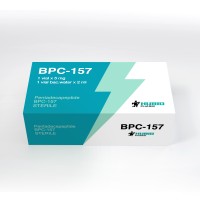
BPC-157 5mg by HubioPharm
$50.00 Ex Tax: $50.00
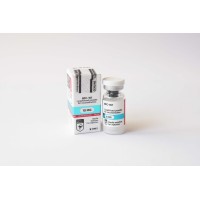
BPC-157 10 mg by Hilma Biocare
$112.00 Ex Tax: $112.00

BPC-157 5mg by Ozpharm
$33.00 Ex Tax: $33.00