
GHK-Cu 100mg by Ozpharm
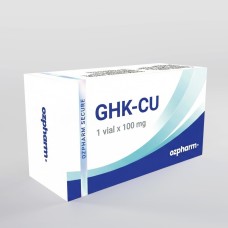
Tirzepatide 10 mg – Ozpharm | GIP and GLP-1 Receptor Agonist
Introduction
Tirzepatide 10 mg, manufactured by Ozpharm, is a formulation containing tirzepatide, a dual GIP (glucose-dependent insulinotropic polypeptide) and GLP-1 (glucagon-like peptide-1) receptor agonist. Tirzepatide works on two important hormone pathways involved in blood-glucose regulation, appetite, and metabolic function.
Tirzepatide is an established prescription medicine used in approved indications for type 2 diabetes and, depending on the product and jurisdiction, weight management in adults with obesity or overweight accompanied by weight-related health conditions. For weight management, approved tirzepatide treatment is used together with a reduced-calorie diet and increased physical activity.
Important: Ozpharm-specific manufacturing, formulation, concentration, sterility, and regulatory status should be verified from the product packaging and applicable local regulatory authority before use. The information below describes tirzepatide generally and should not be taken as confirmation that the Ozpharm product is approved or equivalent to an authorized tirzepatide product.
Product Details
Product Name: Tirzepatide 10 mg
Manufacturer: Ozpharm
Active Ingredient: Tirzepatide
Strength: 10 mg
Drug Class: GIP and GLP-1 receptor agonist
Administration: Subcutaneous injection
Therapeutic Areas: Type 2 diabetes and, for approved products, chronic weight management
Treatment Frequency: Typically once weekly for approved tirzepatide products
Prescription Status: Prescription medicine
Benefits of Tirzepatide 10 mg
Tirzepatide has demonstrated clinically meaningful effects on blood-glucose control and body weight when used for its approved indications alongside appropriate diet and lifestyle measures.
Key Benefits
Supports improved blood-glucose control in adults with type 2 diabetes
Helps reduce excess body weight when prescribed for an approved weight-management indication
Supports long-term weight reduction when combined with appropriate lifestyle measures
Acts through both GIP and GLP-1 receptor pathways
May help reduce appetite and food intake
Supports improved metabolic control
Is administered once weekly in approved formulations
Can be incorporated into a physician-supervised treatment plan
Common Combinations
Tirzepatide is generally used as part of a broader medical and lifestyle treatment plan rather than as a bodybuilding “stack.”
Tirzepatide + Reduced-Calorie Diet
For approved weight-management use, tirzepatide is used alongside a reduced-calorie diet and increased physical activity.
Tirzepatide + Exercise
Regular physical activity forms an important part of comprehensive weight-management treatment and can complement the effects of tirzepatide.
Tirzepatide + Diabetes Treatment
For type 2 diabetes, tirzepatide may be prescribed as part of an individualized diabetes-management plan. When combined with insulin or insulin secretagogues, the risk of hypoglycemia can increase, so medical supervision is important.
Tirzepatide with Other GLP-1 Medicines
Tirzepatide should not be combined with another tirzepatide-containing product or a GLP-1 receptor agonist unless specifically directed by a qualified healthcare professional.
Treatment Cycle and Dosage
Tirzepatide does not have a bodybuilding-style “cycle.” Approved treatment uses gradual dose escalation to improve tolerability and reduce gastrointestinal adverse reactions.
Treatment Initiation
The current U.S. prescribing information for approved tirzepatide products starts treatment at:
2.5 mg once weekly for 4 weeks
Followed by 5 mg once weekly
Further increases may be made in 2.5 mg increments
Dose increases should occur only after at least 4 weeks on the current dose
The appropriate dose depends on the indication, treatment response, and tolerability.
Tirzepatide 10 mg Maintenance Dose
For approved weight-management treatment, 10 mg once weekly is one of the recommended maintenance doses. The maximum recommended dosage is 15 mg once weekly.
Patients should not increase their dose independently. A healthcare professional should determine whether 10 mg is appropriate based on treatment response, tolerability, medical history, and the specific product being prescribed.
Possible Side Effects
Like other prescription medicines, tirzepatide can cause adverse reactions. Gastrointestinal effects are among the most commonly reported adverse reactions.
Common Side Effects
Possible adverse effects include:
Nausea
Diarrhea
Vomiting
Constipation
Abdominal pain
Indigestion
Fatigue
Injection-site reactions
Belching
Gastroesophageal reflux
These effects can be particularly noticeable during dose escalation.
Serious Gastrointestinal Effects
Tirzepatide has been associated with gastrointestinal adverse reactions that can sometimes be severe. Persistent or severe vomiting, diarrhea, or abdominal symptoms should be discussed promptly with a healthcare professional.
Pancreatitis
Acute pancreatitis has been reported with tirzepatide. Severe or persistent abdominal pain, particularly when accompanied by vomiting, requires prompt medical evaluation.
Gallbladder Problems
Gallbladder-related adverse reactions can occur during tirzepatide treatment. Symptoms such as significant abdominal pain, fever, jaundice, or persistent nausea should be medically evaluated.
Hypoglycemia
The risk of hypoglycemia may increase when tirzepatide is used together with insulin or insulin secretagogues such as sulfonylureas. Dose adjustments may be required by a healthcare professional.
Thyroid-Related Warning
Tirzepatide caused thyroid C-cell tumors in rats. It is not known whether this finding applies to humans. Approved tirzepatide products carry a contraindication for people with a personal or family history of medullary thyroid carcinoma (MTC) or Multiple Endocrine Neoplasia syndrome type 2 (MEN 2).
Who Uses Tirzepatide 10 mg?
Depending on the specific approved product and indication, tirzepatide may be prescribed for:
Adults with type 2 diabetes requiring improved glycemic control
Adults with obesity receiving medically supervised weight-management treatment
Adults who are overweight and have an associated weight-related health condition when the indication is approved
Patients following a physician-directed metabolic treatment program
Approved indications differ between tirzepatide products and countries, so the applicable local prescribing information should always be followed.
Storage Instructions
Storage requirements can vary according to the specific tirzepatide formulation and manufacturer. Follow the storage instructions printed on the Ozpharm product packaging and supplied documentation.
For an authorized tirzepatide product, storage should follow the manufacturer's prescribing information. Do not use a product if its appearance, packaging, labeling, or integrity is questionable.
Conclusion
Tirzepatide 10 mg by Ozpharm contains tirzepatide, a dual GIP and GLP-1 receptor agonist associated with effects on blood-glucose regulation, appetite, and body weight. Tirzepatide has established medical applications for type 2 diabetes and, for approved products, chronic weight management.
The 10 mg strength is a maintenance dose for certain approved indications, rather than a starting dose. Treatment is generally initiated at a lower dose and gradually increased according to medical guidance and individual tolerability.
Because tirzepatide can cause gastrointestinal effects and has important warnings and contraindications, it should be used only under appropriate medical supervision. Patients should discuss their medical history, current medications, and any symptoms with a qualified healthcare professional before and during treatment.